
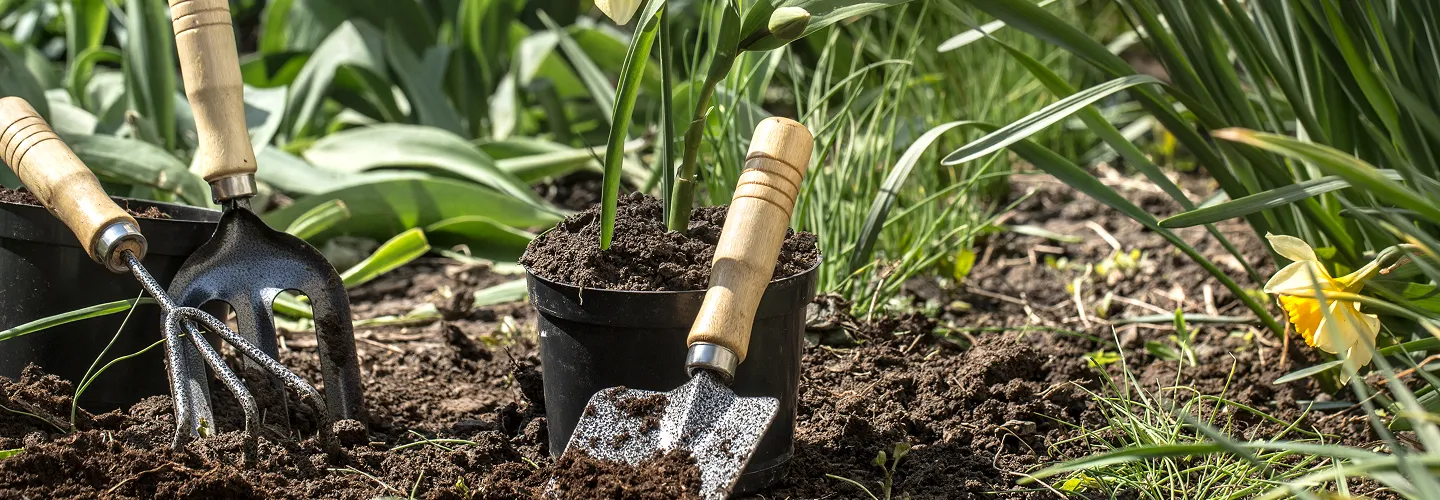
Sherman Lawn Edging Services
Choose our expert lawn edging for a polished, professional look that enhances curb appeal, prevents grass overgrowth, and makes yard maintenance easier than ever.
Get a Free QuoteOur Sherman Landscaping & Yard Care Services
When to Schedule Lawn Edging in Sherman, Connecticut – Seasonal Guide
In Sherman, Connecticut, the best times to schedule lawn edging are typically in early spring and late summer. The region’s climate, with its cold winters and humid summers, means that edging is most effective after the last frost in April and before the first frost in late October. Neighborhoods near Candlewood Lake and the rolling hills around Sherman Center often experience microclimates, so it’s important to consider local conditions such as shade from mature trees and the well-drained, rocky soils common in the area.
Spring edging helps define crisp borders after winter’s freeze-thaw cycles, while late summer edging prepares your landscape for fall leaf drop and winter dormancy. Homeowners in areas like Quaker Hill and along Route 39 should also be mindful of municipal guidelines and seasonal precipitation patterns. For more information on local environmental factors, visit the Town of Sudbury’s resource page.
Local Factors to Consider for Lawn Edging in Sherman
- Tree density and shade coverage, especially in wooded neighborhoods
- Soil type and drainage, with rocky or clay-heavy soils requiring special attention
- Seasonal precipitation and drought risk, which can affect turf health
- Frost dates and temperature swings unique to Sherman’s microclimates
- Terrain and slope, particularly in hilly areas near Candlewood Lake
- Municipal restrictions or guidelines on landscaping practices
Benefits of Lawn Edging in Sherman
Enhanced Curb Appeal
Defined Landscape Borders
Reduced Weed Growth
Improved Lawn Maintenance
Increased Property Value
Long-Lasting Results
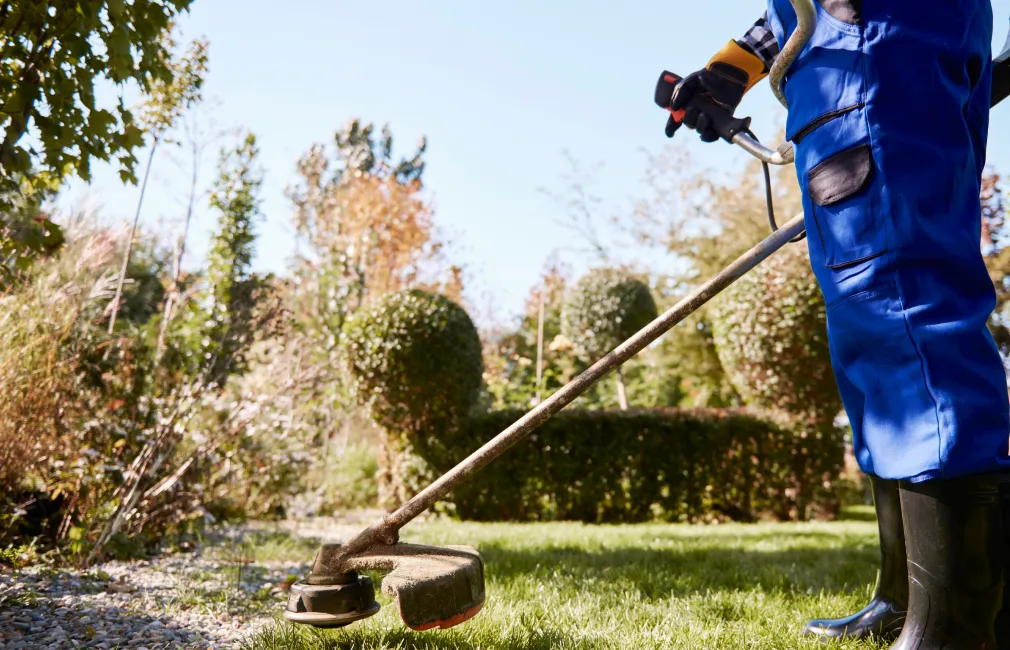
Sherman Lawn Edging Types

Steel Lawn Edging
-
Plastic Landscape Edging
-
Brick Garden Borders
-
Concrete Curb Edging
-
Natural Stone Edging
-
Wooden Landscape Borders
-
Rubber Lawn Edging
Our Lawn Edging Process
Site Evaluation
Marking Edges
Cutting the Edge
Debris Removal
Final Inspection
Why Choose Sherman Landscape Services

-
Sherman Homeowners Trust Us
-
Expert Lawn Maintenance
-
Competitive Pricing
-
Professional Team
-
Satisfaction Guarantee
-
Personalized Service
-
Reliable Scheduling
Sherman’s Glacial Till Soils and Lawn Edging Depth Requirements
Lawn edging in Sherman must account for the town’s predominant glacial till soils, which are typically rocky, moderately acidic (pH 5.5-6.5), and often poorly drained. According to the USDA Web Soil Survey, Sherman’s soils—such as the Charlton-Chatfield and Paxton series—require edging installations to be set at a minimum depth of 4-6 inches to ensure stability and prevent shifting during freeze-thaw cycles. Soil compaction is common in developed areas, so mechanical edging tools with reinforced blades are recommended. For optimal results, incorporate 2-3 inches of compost into the top 6 inches of soil before installing edging. Soil testing is available through UConn Extension for $15-25 per sample. These practices help maintain clean lawn boundaries and reduce maintenance needs in Sherman’s variable site conditions.
Municipal Coordination for Lawn Edging Debris and Permit Compliance in Sherman
Proper disposal of sod, soil, and organic debris generated during lawn edging projects in Sherman is regulated by the Department of Public Works. Weekly yard waste collection occurs every Thursday from April through November. Residents must use biodegradable bags or 32-gallon reusable bins; plastic bags and branches over 4 inches in diameter are prohibited. For projects involving significant soil disturbance or work within 50 feet of wetlands, a permit from the Sherman Conservation Commission is required, with a typical review period of 10 business days and a $50 application fee. All work must comply with Sherman’s municipal code, including setback requirements and buffer zones. For guidance on collection schedules and permit applications:
Sherman Department of Public Works
Mallory Town Hall, 9 Route 39 North, Sherman, CT 06784
Phone: (860) 354-5112
Official Website: Sherman Department of Public Works
Environmental Compliance: Wetland Buffers and Stormwater Protection in Sherman
Lawn edging near Sherman’s wetlands, streams, and Candlewood Lake must adhere to strict environmental regulations. The Sherman Conservation Commission enforces a 25-foot no-disturbance buffer from all designated wetlands, and a 50-foot setback from the high-water mark of Candlewood Lake. Clippings, soil, and debris must not be deposited in storm drains, as required by the town’s MS4 permit under the Clean Water Act and Connecticut Environmental Protection Act. Application of fertilizers or herbicides is prohibited within 50 feet of water bodies. For additional guidance on buffer zones and stormwater compliance:
Sherman Conservation Commission
Mallory Town Hall, 9 Route 39 North, Sherman, CT 06784
Phone: (860) 354-3126
Official Website: Sherman Conservation Commission
Equipment Operation Hours and Safety Standards for Lawn Edging in Sherman
Sherman enforces municipal noise ordinances for outdoor power equipment, including lawn edgers. Permitted operation hours are:
- Monday-Friday: 7:00 AM - 7:00 PM
- Saturday: 8:00 AM - 6:00 PM
- Sunday and holidays: Prohibited
All operators must use equipment with functioning mufflers and maintain noise levels below 85 decibels at property lines. Personal protective equipment (PPE) is required, including ANSI Z87.1 safety glasses, hearing protection for noise above 85 dB, steel-toed boots, and cut-resistant gloves. When working within 15 feet of public roads, high-visibility vests and traffic cones are mandatory. For questions regarding safety protocols and enforcement:
Sherman Building Department
Mallory Town Hall, 9 Route 39 North, Sherman, CT 06784
Phone: (860) 354-2456
Official Website: Sherman Building Department
Optimal Seasonal Timing for Lawn Edging in Sherman’s Climate Zone
Sherman is located in USDA Hardiness Zone 6a, with average last frost in late April and first frost in late October. The ideal window for lawn edging is April 15 to June 15 and again from September 1 to October 15, when soil temperatures range from 50°F to 65°F and moisture levels are moderate. Avoid edging during July and August due to heat stress and potential soil compaction. Monitor local weather forecasts through the National Weather Service New York, NY Office for optimal scheduling. For additional climate and timing recommendations, consult UConn Extension.
What Neighborhoods Do We Serve Throughout Sherman, CT?
- Sherman Center: Features older properties with compacted glacial till soils and mature landscaping, requiring careful edging depth and debris management.
- Candlewood Lake Area: Proximity to the lake and wetlands necessitates strict buffer compliance and specialized erosion control during edging projects.
- Quaker Hill: Characterized by sloped lots and rocky soils, presenting challenges for equipment access and stability of edging materials.
- Greenwood Drive: Newer developments with improved drainage but higher clay content, requiring soil amendments for optimal edging installation.
- Taber District: Large lots with mixed woodland and open lawn, often adjacent to conservation areas, demanding adherence to setback and environmental regulations.
- Anderson Road: Rural setting with limited municipal infrastructure, where seasonal access and equipment transport may affect project timing.
- Spring Lake Estates: Dense tree cover and variable soil moisture, increasing the need for regular maintenance and careful debris containment.