
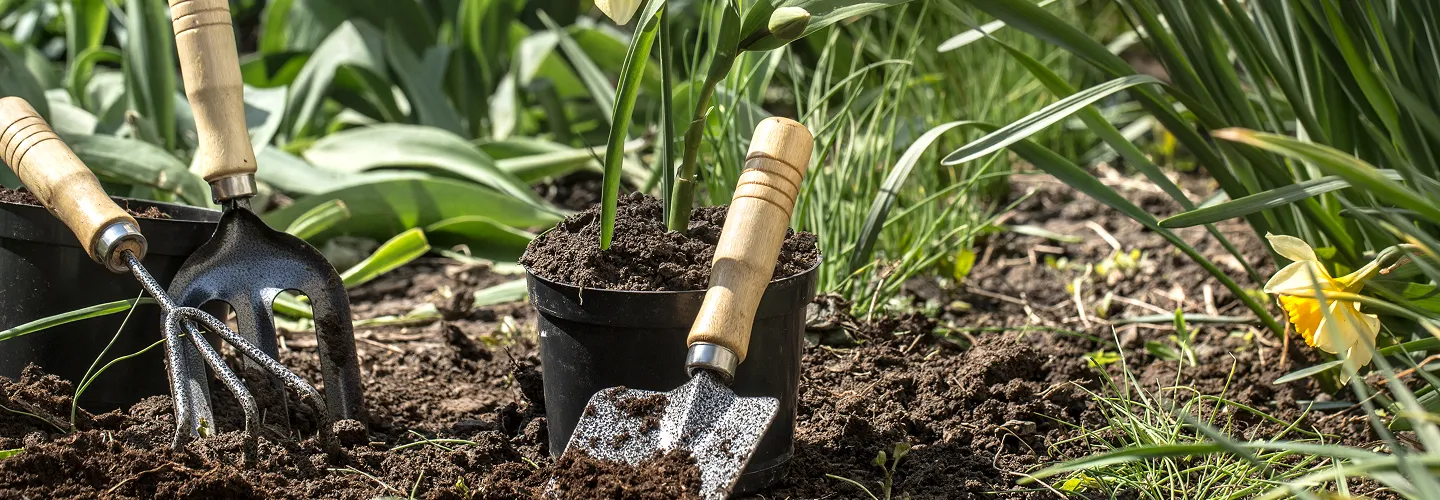
Sherman Flower Bed Maintenance Services
Choose our Flower Bed Maintenance for expert care, healthy blooms, and a beautiful landscape that enhances your home's curb appeal season after season.
Get a Free QuoteOur Sherman Landscaping & Yard Care Services
When to Schedule Flower Bed Maintenance in Sherman, Connecticut – Seasonal Guide
In Sherman, Connecticut, the timing of flower bed maintenance is closely tied to our unique climate and landscape. With cold winters and warm, humid summers, the best periods for maintenance are typically early spring—after the last frost—and early fall, before the first hard freeze. These windows allow for optimal plant health and ensure that your beds in neighborhoods like Candlewood Lake Estates or near the Sherman Town Green thrive throughout the growing season.
Local factors such as late spring frosts, periods of summer drought, and the rich, sometimes rocky soils common in Sherman all play a role in determining the best maintenance schedule. Shade from mature trees in areas like Quaker Hill or the rolling terrain near the Appalachian Trail can also impact when and how often flower beds need attention. For more information on local environmental guidelines, you can visit the Sudbury municipal site.
Local Factors to Consider for Flower Bed Maintenance in Sherman
- Tree density and shade coverage, especially in wooded neighborhoods
- Soil type and drainage, which can vary from loamy to rocky
- Frost dates and risk of late or early freezes
- Summer drought risk and humidity levels
- Terrain slope and water runoff patterns
- Precipitation trends and seasonal rainfall
- Municipal restrictions or local ordinances on landscaping
Benefits of Flower Bed Maintenance in Sherman
Enhanced Curb Appeal
Weed and Pest Prevention
Healthier Plant Growth
Seasonal Color Management
Professional Expertise
Time and Effort Savings
Sherman Flower Bed Maintenance Types

Seasonal Flower Planting
-
Weed Control Services
-
Mulching and Soil Conditioning
-
Pruning and Deadheading
-
Fertilization Programs
-
Pest and Disease Management
-
Irrigation System Maintenance
Our Flower Bed Maintenance Process
Site Evaluation
Weed Removal
Soil Preparation
Plant Care
Mulching
Why Choose Sherman Landscape Services
-
Sherman Homeowners Trust Us
-
Expert Lawn Maintenance
-
Competitive Pricing
-
Professional Team
-
Satisfaction Guarantee
-
Personalized Service
-
Reliable Scheduling
Sherman’s Glacial Till Soils and Drainage Considerations for Flower Bed Maintenance
Flower bed maintenance in Sherman requires careful attention to the town’s predominant glacial till soils, which are typically classified as Inceptisols and Ultisols according to the USDA Web Soil Survey. These soils are often rocky, moderately acidic (pH 5.5–6.5), and can exhibit poor drainage, especially in low-lying areas. Proper soil preparation is essential for healthy flower beds. Recommended practices include:
- Incorporating 2–3 inches of compost tilled to a 6-inch depth
- Conducting a soil test through UConn Extension (typical cost: $15–25)
- Applying lime if pH is below 6.0
- Ensuring raised beds or French drains in areas with seasonal water tables at 12–18 inches Coordination with the municipal public works department is advised for any significant grading or drainage modifications.
Sherman Department of Public Works
9 Route 39 North, Sherman, CT 06784
Phone: (860) 354-5112
Official Website: Sherman Department of Public Works
Seasonal Timing and Weather Guidance for Flower Bed Care in Sherman
Sherman’s USDA Hardiness Zone ranges from 6a to 6b, with average last frost dates in late April and first frost in mid-October. The National Weather Service Albany Office provides local forecasts critical for scheduling planting and maintenance. For optimal results:
- Spring planting: April 20 – May 30 (soil temp 50–65°F)
- Fall planting: August 20 – September 30 (before first frost)
- Mulching: Early May and late September
- Fertilization: Early May and late August for perennials Avoid heavy soil work during saturated periods in March and November to prevent compaction. Monitoring local weather alerts is essential for frost-sensitive species and for timing irrigation or protective measures.
Municipal Regulations and Flower Bed Maintenance Ordinances in Sherman
Sherman enforces specific ordinances regarding landscape maintenance, noise, and debris disposal. Equipment operation for flower bed maintenance is permitted during the following hours:
- Monday–Friday: 7:00 AM – 7:00 PM
- Saturday: 8:00 AM – 6:00 PM
- Sunday and holidays: Prohibited All yard waste, including plant trimmings and mulch, must be disposed of according to town guidelines. Weekly collection occurs every Thursday, April through November. Use biodegradable bags or 32-gallon containers; plastic bags and branches over 4 inches in diameter are not accepted. For projects near wetlands or conservation areas, a permit may be required, with a standard 25-foot no-disturbance buffer enforced by the Conservation Commission.
Sherman Conservation Commission
9 Route 39 North, Sherman, CT 06784
Phone: (860) 354-5281
Official Website: Sherman Conservation Commission
Environmental Compliance: Stormwater, Wetlands, and State Regulations in Sherman
Flower bed maintenance activities in Sherman must comply with both local and state environmental regulations. The Connecticut Environmental Protection Act and the Clean Water Act require:
- No fertilizer or pesticide application within 50 feet of water bodies
- Maintenance of a 25-foot buffer from wetlands
- Prohibition of yard waste in storm drains under the MS4 permit
- Use of only registered products for pest and weed control Violations can result in fines or remediation orders. For technical guidance, consult Connecticut Department of Energy and Environmental Protection and EPA Region 1. Soil and plant diagnostic support is available through UConn Extension.
Selecting Native and Deer-Resistant Species for Sherman Flower Beds
Sherman’s climate and wildlife pressures necessitate careful plant selection for sustainable flower beds. Recommended species for full sun include:
- Black-eyed Susan (Rudbeckia hirta)
- Purple coneflower (Echinacea purpurea)
- Daylily (Hemerocallis spp.) For partial shade:
- Coral bells (Heuchera americana)
- Astilbe (Astilbe spp.)
- Hosta (Hosta spp.) Deer-resistant options:
- Lavender (Lavandula angustifolia)
- Russian sage (Perovskia atriplicifolia)
- Salvia (Salvia nemorosa) Native selections such as wild bergamot (Monarda fistulosa) and cardinal flower (Lobelia cardinalis) support pollinators and require less irrigation. Plant spacing should be 18–24 inches for perennial beds to ensure air circulation and reduce disease risk. For further recommendations, refer to UConn Extension.
What Neighborhoods Do We Serve Throughout Sherman, CT?
- Sherman Center: Features older properties with mature trees and compacted glacial till soils, requiring soil amendment and careful drainage planning for flower beds.
- Candlewood Lake Area: Proximity to water bodies and conservation lands necessitates strict adherence to buffer zones and wetland protection ordinances.
- Quaker Hill: Characterized by sloped lots and rocky soils, presenting challenges for erosion control and plant establishment.
- Gaylordsville Border: Transitional soils and mixed woodland edges increase deer pressure and require selection of resistant species.
- Greenwood Drive Area: Newer developments with improved drainage but potential for construction fill soils, making soil testing and amendment essential.
- Taber District: Rural lots with high groundwater tables and seasonal flooding, demanding raised beds and careful plant selection.
- Anderson Road Vicinity: Narrow access roads and dense tree canopy affect equipment access and sunlight availability, influencing maintenance schedules and species choice.