
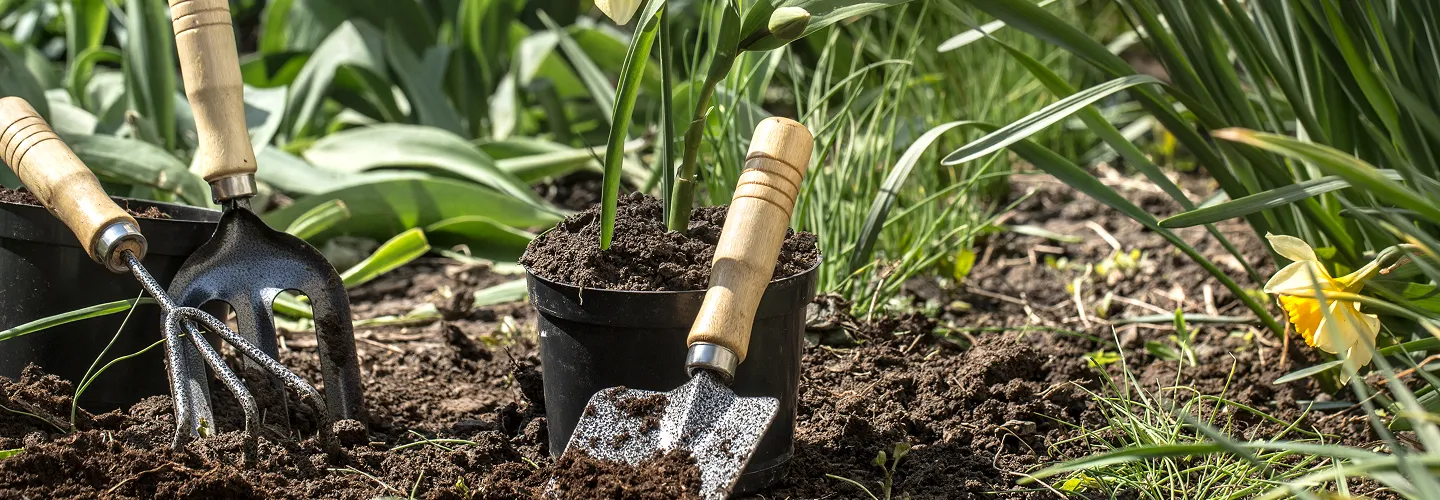
Sherman Plant Removal Services
Choose our plant removal experts for reliable, eco-friendly solutions that restore your landscape’s beauty and health—backed by prompt service and years of experience.
Get a Free QuoteOur Sherman Landscaping & Yard Care Services
When to Schedule Plant Removal in Sherman, Connecticut – Seasonal Guide
In Sherman, Connecticut, timing your plant removal is crucial for both the health of your landscape and compliance with local guidelines. The best periods for plant removal typically fall in late fall after the first frost or early spring before new growth begins. These windows take advantage of dormant plant cycles, reducing stress on your soil and minimizing regrowth. Sherman’s climate, with its cold winters and humid summers, means that frost dates—usually mid-October to late April—play a significant role in scheduling. Areas near Candlewood Lake or the Sherman Historic District may experience microclimates, so it’s important to consider your specific neighborhood’s conditions.
Local environmental factors such as the risk of summer drought, heavy shade coverage from mature trees, and the region’s well-drained, rocky soils all influence the optimal timing for plant removal. Additionally, Sherman’s municipal guidelines and conservation efforts—often referenced by neighboring towns like Sudbury—may affect when and how removal can be performed. Consulting with a local expert ensures your project aligns with both environmental best practices and community standards.
Local Factors to Consider for Plant Removal in Sherman
- Tree density and mature canopy coverage
- Terrain challenges, including slopes and rocky soil
- Seasonal precipitation and risk of drought
- Frost dates and temperature fluctuations
- Municipal restrictions and conservation guidelines
- Proximity to local landmarks or protected areas
Benefits of Plant Removal in Sherman
Improved Curb Appeal
Healthier Landscapes
Enhanced Property Value
Reduced Pest Infestations
Efficient Project Completion
Eco-Friendly Disposal Practices
Sherman Plant Removal Types

Tree Removal
-
Shrub Removal
-
Stump Grinding
-
Root Extraction
-
Invasive Species Removal
-
Hedge Clearing
-
Overgrowth Management
Our Plant Removal Process
Site Evaluation
Preparation and Safety Measures
Plant Extraction
Debris Removal
Site Restoration
Why Choose Sherman Landscape Services

-
Sherman Homeowners Trust Us
-
Expert Lawn Maintenance
-
Competitive Pricing
-
Professional Team
-
Satisfaction Guarantee
-
Personalized Service
-
Reliable Scheduling
Plant Removal and Debris Disposal Coordination with Sherman’s Department of Public Works
Plant removal in Sherman requires strict adherence to municipal debris disposal protocols. The Department of Public Works oversees weekly yard waste collection every Thursday from April through November. Residents must use biodegradable bags or 32-gallon reusable bins for plant debris; plastic bags and branches over 4 inches in diameter are prohibited. All plant material must be placed curbside by 7:00 AM on collection day. For large-scale removals, a permit may be required, with typical review times of 5-10 business days and fees ranging from $25 to $75 depending on project scope. Coordination with the department ensures compliance with local ordinances and prevents improper dumping, which can result in fines.
Sherman Department of Public Works
9 Route 39 North, Sherman, CT 06784
Phone: (860) 354-5116
Official Website: Sherman Department of Public Works
Soil Series and Site Conditions Affecting Plant Removal in Sherman
Sherman’s landscape is dominated by glacial till soils, primarily the Charlton-Chatfield and Canton series, which are moderately acidic (pH 5.5-6.5) and often stony with poor to moderate drainage. These conditions require specialized removal techniques, such as root extraction to a depth of 12-18 inches to prevent regrowth and minimize soil disturbance. Soil compaction is common in developed areas, necessitating the use of low-impact equipment to avoid further degradation. Before removal, a soil test is recommended—available through UConn Extension for $15-25—to determine amendment needs post-removal. Incorporate 2-3 inches of compost tilled to a 6-inch depth to restore soil structure after plant extraction. Reference the USDA Web Soil Survey for detailed mapping of Sherman’s soils.
Environmental Compliance: Wetland Buffers and Stormwater Protection in Sherman
Plant removal near Sherman’s wetlands, streams, and Candlewood Lake is regulated to protect sensitive habitats and water quality. A 25-foot no-disturbance buffer is required from all designated wetlands, and a 50-foot setback applies for major water bodies. The Connecticut Environmental Protection Act and Sherman’s MS4 stormwater permit prohibit disposal of plant debris in storm drains or within buffer zones. All removal activities must prevent soil erosion and sediment runoff, especially on slopes or near water. Mulching exposed soil and installing silt fences are standard practices. For projects within regulated areas, coordinate with the Conservation Commission for permit requirements and site inspections.
Sherman Conservation Commission
9 Route 39 North, Sherman, CT 06784
Phone: (860) 354-5281
Official Website: Sherman Conservation Commission
For state-level guidance, consult:
Connecticut Department of Energy and Environmental Protection
79 Elm Street, Hartford, CT 06106
Phone: (860) 424-3000
Official Website: Connecticut Department of Energy and Environmental Protection
Equipment Operation Hours and Safety Standards for Plant Removal in Sherman
Sherman enforces municipal noise ordinances for plant removal equipment. Permitted operation hours are:
- Monday-Friday: 7:00 AM - 7:00 PM
- Saturday: 8:00 AM - 6:00 PM
- Sunday and holidays: Prohibited
All operators must use commercial-grade equipment with functioning mufflers, and noise levels must not exceed 85 decibels at property lines. Personal protective equipment (PPE) is mandatory, including:
- ANSI Z87.1 safety glasses
- Hearing protection for noise above 85 dB
- Steel-toed boots with non-slip soles
- Cut-resistant gloves for pruning and removal
When working within 15 feet of power lines or public roads, high-visibility vests and advance warning signage are required. For removals involving large trees or hazardous conditions, coordination with the Tree Warden is advised.
Sherman Tree Warden
9 Route 39 North, Sherman, CT 06784
Phone: (860) 354-5116
Official Website: Sherman Tree Warden
What Neighborhoods Do We Serve Throughout Sherman, CT?
- Sherman Center: Features mature tree stands and historic properties, requiring careful removal to protect stone walls and comply with local setback ordinances.
- Candlewood Lake Area: Proximity to water necessitates strict adherence to 50-foot buffer zones and erosion control measures during plant removal.
- Quaker Hill: Characterized by steep slopes and rocky soils, demanding specialized equipment for safe extraction and debris transport.
- Greenwood Drive: Newer developments with compacted soils and smaller lots, where low-impact machinery and noise compliance are critical.
- Taber District: Contains wetlands and conservation easements, requiring permits and coordination with the Conservation Commission for any removal near protected areas.
- Anderson Road Corridor: Rural lots with heavy brush and invasive species, often needing multi-stage removal and follow-up site restoration.
- Route 37 Corridor: Mixed residential and commercial properties, with traffic management and public safety protocols necessary for roadside plant removal.